Search Intent Targeting in Retail: 11 Proven Benefits
Posted on
Marketing
Posted at

Aligning retail marketing with search intent significantly boosts conversion rates and return on ad spend. Focusing on null-search fixes and intent-specific pages allows retailers to match shopper needs, improving engagement and lifetime value. Building repeatable processes around search intent yields long-term revenue growth without requiring sophisticated technology.
Aligning your retail marketing to search intent is the single most direct path to higher conversion rates, better ROAS, and customers who actually buy. Retailers that match their pages, ads, and site search results to what shoppers actually want at each stage of their journey see 40–60% higher organic click-through rates compared with stores that serve the wrong content type for a given query. The benefits of search intent targeting in retail compound across every channel you run.
Here is what that looks like in practice:
Higher conversion rate: Shoppers land on pages built for their stage of the journey, not a generic category page that forces them to start over.
Improved average order value (AOV): Intent-matched product pages and comparison content surface complementary items at the right moment.
Better ad efficiency: Paid campaigns mapped to buying-intent queries spend less to acquire each customer, lifting ROAS and cutting cost per acquisition (CPA).
Fewer null searches and lower bounce: Shoppers who find what they typed for stay. Those who hit a dead end leave and rarely return.
Stronger lifetime value (LTV): Shoppers who had a frictionless first experience come back. Intent targeting builds the trust that drives repeat purchases.
Table of Contents
Why aligning your retail marketing to search intent pays off
The four intent types: what to serve for each retail query
How to detect search intent at scale across your store
Channel-level tactics for optimizing intent across your retail operation
Practical roadmap for rolling out intent targeting by retailer size
How a performance approach to intent targeting lifted retail revenue
Common mistakes that derail intent targeting programs
Key Takeaways
The part most retailers skip
How A&T Digital helps retailers turn intent into revenue
Selected sources and further reading
Why aligning your retail marketing to search intent pays off
The mechanism is simple: when a shopper's intent matches the page they land on, friction disappears. Fewer clicks to find the right product means faster paths to purchase, larger carts, and fewer abandoned sessions.
On-site search converts at two to five times the rate of general browse trafficand can represent 20–30% of revenue for enterprise retailers. That ratio exists because a shopper who types into your search bar has already declared intent. The question is whether your system honors it.
Direct business outcomes from intent alignment:
Better merchandising efficiency: Intent-based merchandising reduces manual weekly workload while improving conversion by ranking the right products for each query context automatically.
The organizational levers that benefit most are onsite search, paid search, category page merchandising, and local listings — all of which are addressable without a full platform rebuild.
The four intent types: what to serve for each retail query
Matching page type to intent improves both ranking and conversion, because Google favors result types that satisfy the searcher's actual goal. Here is how each intent type maps to retail queries and the right experience to serve.
Intent Type | Retail Query Example | What the Shopper Wants | Best Page or Experience |
|---|---|---|---|
Informational | "how to size a road bike" | Education, not a product | Buying guide or blog post |
Navigational | "Patagonia fleece jacket" | A specific brand's page | Brand or category landing page |
Commercial investigation | "best espresso machine under $300" | Comparison and validation | Comparison page or curated category |
Transactional | "buy DeLonghi Dedica black" | Immediate purchase path | Product detail page with clear CTA |
A few retail-specific examples per type:
Informational: "what thread count is best for sheets," "how to measure for curtains," "difference between OLED and QLED." These shoppers want answers. Sending them to a product page produces a bounce.
Navigational: "Levi's 501 jeans," "Apple AirPods Pro Amazon." The shopper has brand loyalty. Your job is to be the fastest path to that brand's products on your site.
Commercial investigation: "best noise-canceling headphones 2026," "standing desk vs. regular desk for back pain." These are high-value near-purchase queries. Comparison pages and buyer guides capture shoppers who convert at higher rates than cold informational traffic.

Transactional: "order Vitamix 5200 blender," "Nike Air Max 270 size 10.5 men's white." The shopper is done researching. A clean product page with stock confirmation, clear pricing, and a single prominent add-to-cart button is the only right answer.
Pro Tip: Build commercial-investigation pages before you build more blog content. A shopper reading "best espresso machine under $300" is one click from buying. A shopper reading "how espresso machines work" might not buy for weeks.
How to detect search intent at scale across your store
Intent classification does not require a data science team. A structured workflow using tools you likely already have will surface the most valuable mismatches within two weeks.
Step 1: Pull your site search query log. Export the last 90 days of internal search queries from your analytics platform (Google Analytics 4, Adobe Analytics, or your e-commerce platform's native dashboard). Sort by volume.
Step 2: Run a zero-result audit. Flag every query that returned zero results. These are pure intent failures. Each one is a shopper who told you exactly what they wanted and got nothing back.
Step 3: Correlate queries with add-to-cart rate. High-traffic queries with low add-to-cart rates signal an intent mismatch: shoppers are finding something, but not the right thing. These are your highest-leverage fixes.
Step 4: Analyze session paths post-search. In GA4, build a segment for sessions that included a site search event. Look at what pages those shoppers visited next and where they exited. A pattern of search → product page → exit usually means the product page is not answering the query's intent.
Step 5: Layer in Google Search Console. Filter by queries with high impressions but low CTR. These are pages Google is showing for a query but shoppers are not clicking, often because the title tag or meta description signals the wrong intent.
Practical tools for this workflow: Google Search Console, GA4 exploration reports, Hotjar or Microsoft Clarity for session recordings, and NLP-based intent classifiers like Algolia's Query Suggestions or Bloomreach Discovery for larger catalogs.
Query analysis uncovers the motivations behind searches that raw keyword volume alone never reveals.
Pro Tip: Combine device type and time-of-day signals with query data. A shopper searching "dinner reservations near me" on mobile at 6 PM has a very different intent urgency than the same query on desktop at noon. Retail equivalents — "open now," "same-day pickup" — carry the same urgency signal and deserve separate treatment in your merchandising rules.
Channel–level tactics for optimizing intent across your retail operation
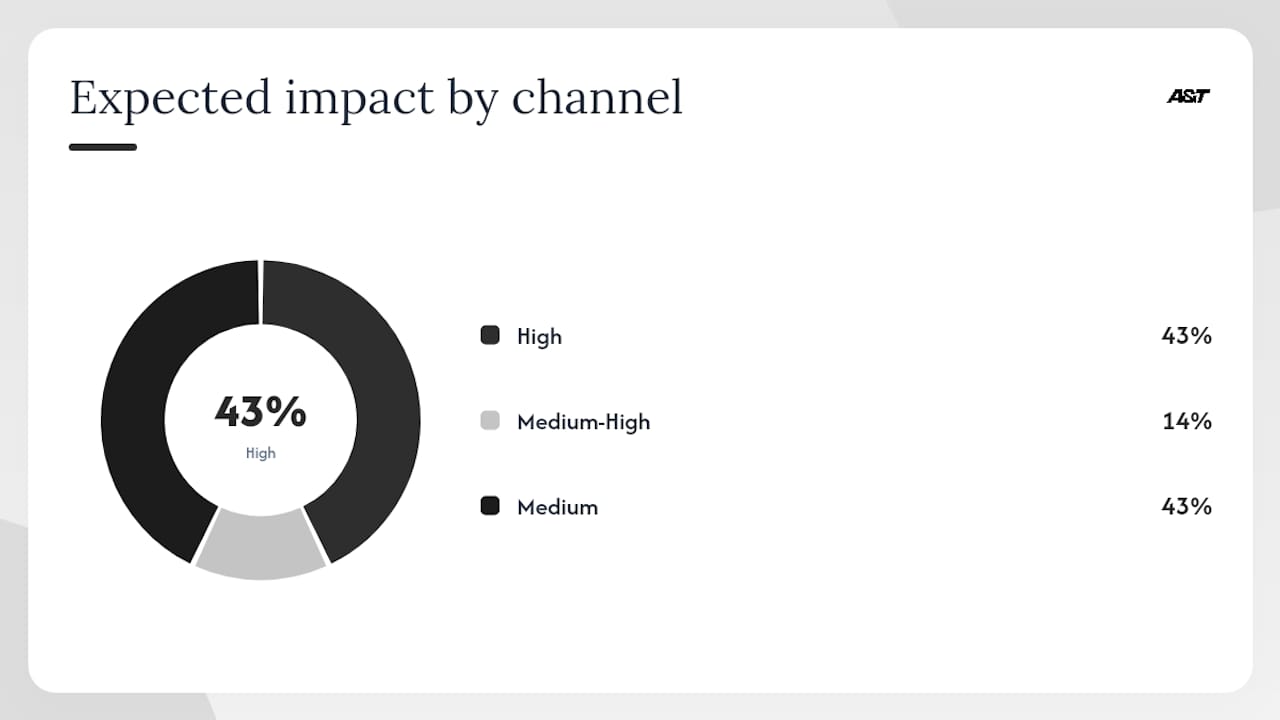
Intent targeting touches every channel. The table below maps the highest-leverage actions by channel, expected impact, and implementation complexity.
Channel | Key Action | Expected Impact | Complexity |
|---|---|---|---|
On-site search | Tune synonyms, add intent-based ranking rules, fix null results | High (conversion, bounce) | Low–Medium |
Product pages | Rewrite titles and meta descriptions to match transactional query language | Medium–High (CTR, conversion) | Low |
Category pages | Map commercial-investigation queries to curated category pages | High (CTR, AOV) | Medium |
Content / buyer guides | Build comparison and "best X for Y" guides for commercial queries | Medium (LTV, assisted conversion) | Medium |
Paid search | Segment campaigns by intent tier; bid higher on transactional queries | High (ROAS, CPA) | Medium |
Paid social | Use intent signals from retargeting audiences to serve stage-matched creative | Medium (CTR, conversion) | Medium |
Local listings | Add neighborhood-level copy and "in stock near you" signals to Google Business Profile | Medium (local CTR, foot traffic) | Low |
On-site search is the fastest win. Intent-aware search promotes high-converting listings and prioritizes inventory and pricing metadata when queries signal buying intent, which directly reduces bounce and lifts add-to-cart rate.
Paid search is where intent segmentation pays the clearest dividend. Separating your Google Ads campaigns by intent tier — informational, commercial, transactional — lets you drive retail sales with Google Ads by concentrating budget on the queries most likely to convert rather than spreading spend evenly across all match types.
Local listings deserve more attention than most retailers give them. More than 60% of local searches are mobile-driven, and shoppers use neighborhood names and landmarks in their queries. A Google Business Profile that mirrors that language captures intent-driven local customers that broad copy misses. Pairing this with a hyperlocal SEO strategy amplifies your local discovery significantly.
Pro Tip: Set a merchandising rule that promotes in-stock, high-margin items when a query contains buying-intent signals ("buy," "order," price qualifiers, size/color specifics). Out-of-stock results on transactional queries are one of the fastest ways to lose a sale you already earned.
Practical roadmap for rolling out intent targeting by retailer size
Not every retailer has the same resources. Here is a realistic rollout plan with effort buckets.
90-day quick wins (low effort, marketing owner)
Export site search query logs and identify the top 20 null-result queries.
Map your top 50 commercial-investigation keywords to existing category or comparison pages (or flag gaps).
Rewrite title tags and meta descriptions on your top 10 product pages to match transactional query language.
Segment one Google Ads campaign by intent tier and compare ROAS after 30 days.
Update your Google Business Profile with neighborhood-level copy and current inventory signals.
6–9 month structural investments (medium effort, merchandiser + marketing)
Implement intent-based ranking rules in your site search platform (Algolia, Bloomreach, Searchspring, or native platform tools).
Build five to ten commercial-investigation comparison pages targeting high-volume near-purchase queries.
Set up GA4 funnel reports for search-driven conversion and null-search rate; review weekly.
Launch Meta Ads campaigns segmented by retargeting audiences that reflect commercial-investigation behavior.
Develop a seasonal content calendar that aligns with shifting intent patterns. Seasonal content that matches local search intent consistently outperforms evergreen content for time-sensitive retail queries.
12+ month data compounding (higher effort, engineering + IT)
Integrate behavioral signals (browsing history, device, location, time of day) into real-time merchandising rules.
Build a query-intent taxonomy that feeds both onsite search and paid campaign structure.
Run quarterly LTV cohort analysis to measure whether intent-matched acquisition produces better long-term customers.
Budget guidance: SMB retailers can execute the 90-day phase with existing staff and a modest paid search budget. Mid-market retailers investing in platform-level intent tools (site search software, personalization engines) typically see the 6–9 month structural work pay back within one to two quarters based on the conversion lift from search-driven sessions.
How a performance approach to intent targeting lifted retail revenue
A specialty outdoor gear retailer came to us with a familiar problem: solid traffic, weak conversion, and a paid search account spending heavily on broad match terms that attracted informational browsers instead of buyers.
The challenge: High click volume on queries like "hiking gear" and "camping equipment" was producing a cost per acquisition that made the channel unprofitable. Onsite search showed a null-result rate above 15% for product-specific queries.
Intent diagnosis: We pulled 90 days of site search logs and Google Search Console data. The pattern was clear: transactional queries ("buy [brand] [product] [size]") were landing on category pages, not product pages. Commercial-investigation queries ("best lightweight tent under $400") had no dedicated landing page at all.
Actions taken:
Restructured Google Ads campaigns into three intent tiers: informational (excluded from primary budget), commercial investigation (moderate bids, comparison page destinations), and transactional (highest bids, direct product page destinations).
Built eight comparison and buyer-guide pages targeting the retailer's highest-volume commercial-investigation queries.
Tuned site search synonyms and added intent-based ranking rules to surface in-stock, high-margin items for transactional queries.
Fixed the top 12 null-result queries by mapping them to existing products or creating redirect rules.
Ran a two-week A/B test on ranking rules, measuring add-to-cart rate as the primary metric.
Outcome: Search-driven conversion rate improved materially within the first 30 days of the ranking rule changes. The paid search restructure produced a measurable ROAS improvement by week six, with the commercial-investigation campaigns delivering the strongest assisted-conversion lift.
Pro Tip: Start with queries that have high traffic and low add-to-cart rate. These are your clearest intent mismatches and your fastest wins. Fix those ten queries before you touch anything else.
Common mistakes that derail intent targeting programs
Most intent programs fail not because the strategy is wrong, but because execution breaks down in predictable ways.
Mismatching page type to intent — Sending a transactional query to a blog post, or a commercial-investigation query to a product page, produces high bounce and low conversion. Google's ranking systems reward intent match; your internal pages should too.
The fix for each of these is the same: build a recurring process, not a one-time project. Intent targeting compounds when it is maintained.
Key Takeaways
Retailers that align pages, ads, and site search to search intent consistently outperform those that optimize for keywords alone, with the clearest gains in search-driven conversion rate and paid search ROAS.
Point | Details |
|---|---|
Intent match drives conversion | Pages matched to the correct intent type convert at materially higher rates than mismatched pages. |
On-site search is your highest-intent channel | Site search sessions convert at 2–5x the rate of browse traffic and can represent 20–30% of revenue. |
Organic CTR lifts with intent alignment | Stores that map pages to correct intent see 40–60% higher organic CTR than those that do not. |
Start with null-search fixes | Auditing zero-result queries is the fastest, lowest-cost conversion win available to most retail teams. |
A&T Digital accelerates the program | A&T Digital runs intent audits, paid search restructures, and onsite search optimization for retail clients seeking measurable revenue lift. |
The part most retailers skip
Most retailers approach search intent as an SEO checkbox. They read about the four intent types, nod along, and then go back to optimizing title tags for keyword density. The real opportunity is in the operational layer: who owns the weekly null-search audit, who updates the synonym library when a new product launches, who restructures the paid campaign when a query's intent shifts from commercial to transactional.
The retailers we see winning with intent targeting are not the ones with the most sophisticated technology. They are the ones who built a repeatable process around a simple question: "Does this page give the shopper exactly what they were looking for when they typed that query?" That question, asked weekly, compounds into a measurable revenue advantage over 12 months.
The other thing most articles miss: commercial-investigation intent is where the real money is. Informational content gets traffic. Transactional pages get the obvious buyers. But the shopper reading "best [product] under $X" is one well-placed comparison page away from converting, and most retailers have not built those pages yet. That gap is where intent targeting pays back fastest.
How A&T agency helps retailers turn intent into revenue
Retailers who understand intent targeting still need the execution layer: the query audits, the paid campaign restructures, the merchandising rules, and the measurement infrastructure to prove it is working. That is exactly what A&T Digital delivers.
We run intent audits that map your top queries to the right pages, identify null-search failures, and flag the paid campaigns spending budget on the wrong intent tier. From there, we restructure Google Ads campaigns by intent tier, build the commercial-investigation landing pages your category needs, and set up the KPI dashboards that make weekly optimization possible. We also manage Meta Ads campaigns segmented by retargeting audiences that reflect where each shopper is in their journey.
No long onboarding. No unnecessary meetings. Just a focused team that knows how to turn search behavior into sales. Request a free intent audit at atdigiagency.com and we will show you exactly where your highest-leverage fixes are.
Selected sources and further reading
How AI Will Transform Digital Marketing for Retailers in 2026
Understanding user search intent: a key to smarter ecommerce search
Intent-Based Merchandising and the AI Agent Advantage
On-Site Search: Your Highest-Intent Revenue Channel — Molsoft
Search Intent for Ecommerce — EcomSEO Academy
How Search Works — Google