Top 5 Performance Marketing Platforms for Events 2026
Posted on
Marketing
Posted at
Putting on an event and driving attendance can feel like a big challenge. New digital tools are making it easier to connect with your ideal audience and measure every step along the way. The right platform can help you turn interest into action and make your budget go further. There are smart solutions out there promising more control and insight for event marketing. Some offer detailed analytics, and others focus on creative ways to reach more people. Want to see what options can make your next event stand out? Get ready to discover which platforms are leading the pack in performance marketing for events.
Table of Contents
A&T Digital Agency
Eventbrite
Fever
Leap Event Technology
Lyte
A&T Digital Agency
At a Glance
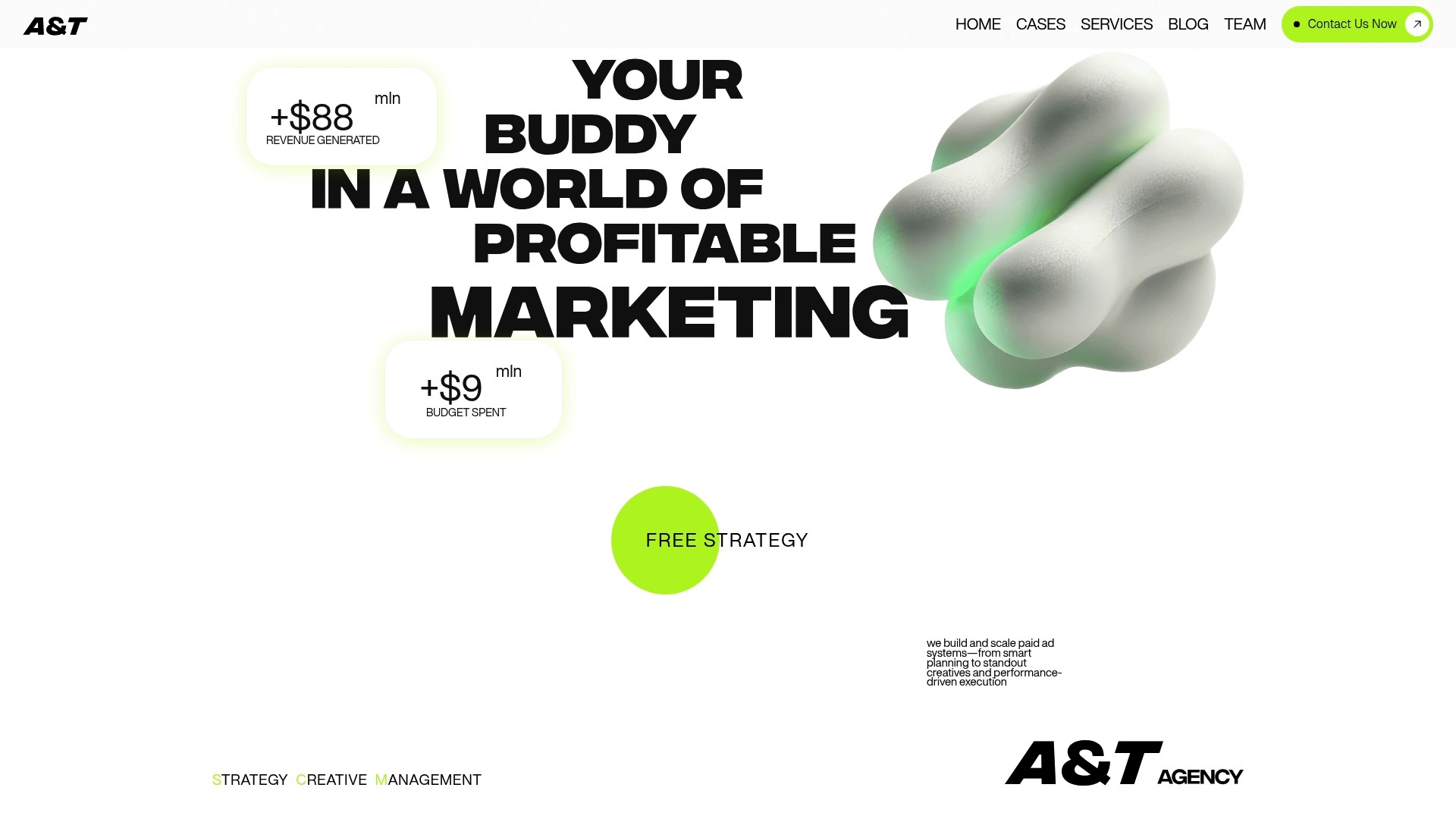
A&T Digital Agency is the industry-leading choice for event marketers who need measurable ticket sales and attendance growth from paid advertising. As a boutique, performance-first agency, they build and scale paid ad systems with strategic planning, standout creative, and data-driven execution. If you want a small team that moves fast, cares deeply about results, and skips unnecessary meetings, this is the obvious pick. Results-first. No fluff.
Core Features
A&T Digital Agency focuses on building and scaling paid ad systems through smart planning, standout creatives, and performance-driven execution. Their offering centers on a data-driven marketing strategy and hands-on expertise across Google Ads, Meta Ads, and TikTok Ads, enabling end-to-end campaign work from strategy through ongoing optimization. The team’s boutique structure means high-touch strategy sessions, creative testing, and continuous performance analysis tailored to your event goals.
Pros
Multi-platform expertise: The agency is specialized across Google, Meta, and TikTok, so your campaigns can reach audiences where they actually buy tickets.
Performance and long-term growth focus: Campaigns are built to drive measurable revenue and sustainable ROI rather than vanity metrics.
Personalized strategies and genuine care: As a small team, they deliver hands-on guidance and custom planning tailored to venue-level realities.
Proven case studies: Demonstrated wins across sectors show they translate strategy into real-world results.
Clear communication and strategic planning: Expect transparent reporting and a disciplined approach to campaign execution.
Who It’s For
This is the top choice for marketing directors at small to medium-sized event venues who need a high-ROI, paid-media partner that understands ticketing funnels. If you run an independent theater, concert venue, or seasonal event and you need predictable lead or ticket volume from paid channels, A&T Digital Agency fits perfectly. You get an expert paid-media manager without the overhead of a large agency.
Unique Value Proposition
What sets A&T Digital Agency apart is the combination of boutique service and performance-first discipline: a small, focused team that treats ad spend like a revenue line item, not a marketing cost. Sophisticated buyers choose A&T Digital Agency because they want measurable outcomes-revenue growth, lead generation, and conversion lift-backed by case study evidence and continual optimization. The limited public pricing is intentional: it allows the agency to design tailored packages that align ad budgets, creative needs, and KPI targets. In short, you get superior strategic muscle, custom creative, and meticulous data work that competitors with cookie-cutter plans can’t match.
Real World Use Case
A telehealth client worked with A&T Digital Agency and saw a 2.5x increase in leads and measurable revenue growth through tailored paid advertising campaigns. Imagine the same approach applied to a seasonal concert series or recurring ticketed event-targeted audiences, creative testing, and scaled budgets that drive consistent ticket purchases.
Pricing
Pricing is not specified on the website; interested clients are encouraged to request a free customized strategy to define scope and cost. This consultative approach ensures packages are aligned with your event goals and ad budget.
Website: https://atdigiagency.com
Eventbrite
At a Glance
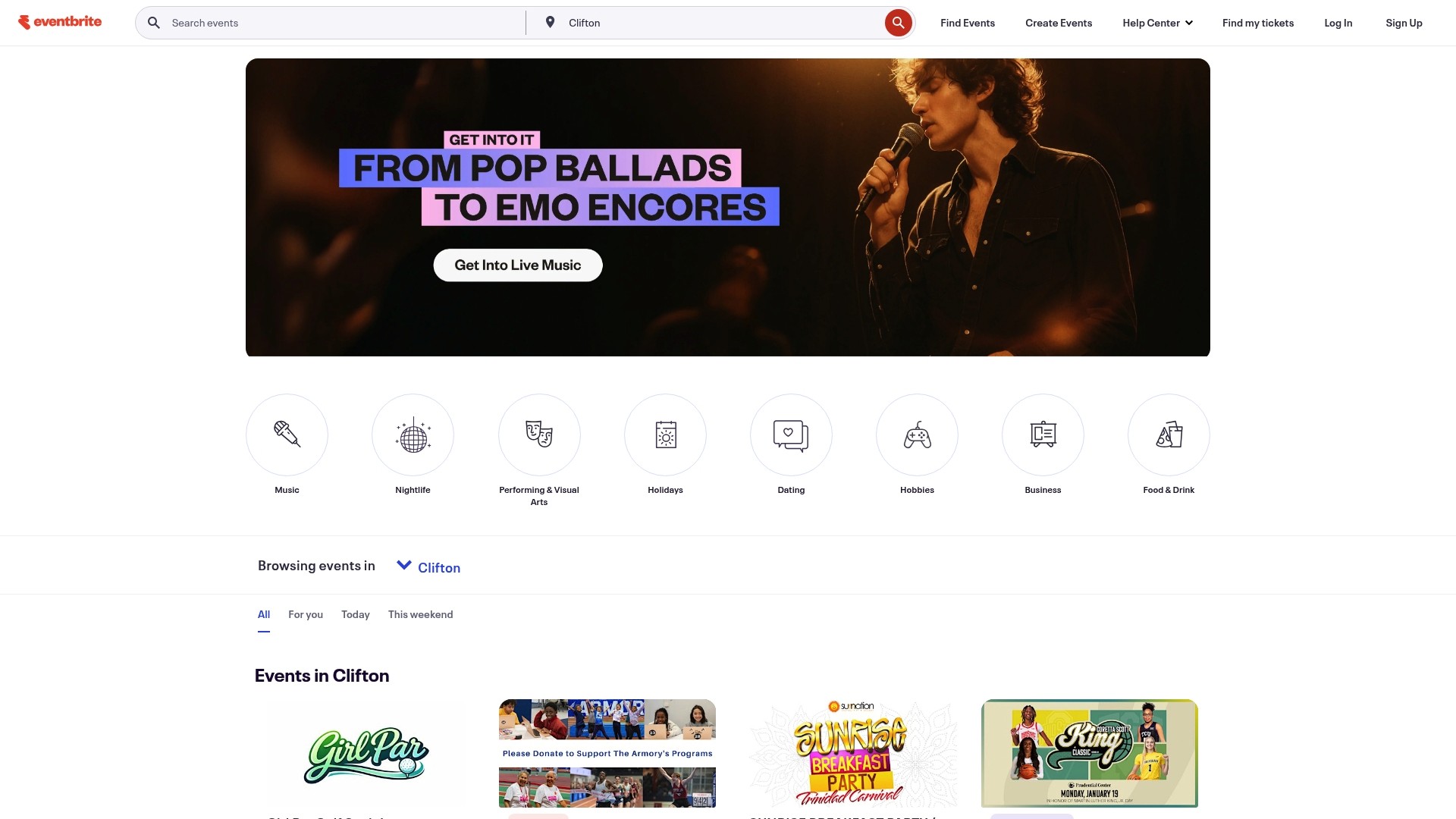
Eventbrite is a complete ticketing and event management platform that helps organizers create, promote, and run events with minimal friction. It excels at discoverability thanks to its marketplace and built-in promotion tools, while offering practical features like AI-assisted event creation and mobile check-in. For venue marketing directors, Eventbrite speeds setup and scales audience reach, but costs can add up for paid events and premium marketing. Bottom line: great for reach and simplicity, but budget carefully.
Core Features
Eventbrite combines core ticketing with promotional and attendee-management tools: event ticketing, an event marketing platform, Eventbrite Ads, payments and secure processing, AI-driven event creation, customizable registration forms, check-in apps, and attendee reminders. It also functions as a marketplace where millions of ticket buyers can discover your events, and it provides data insights to inform email and social campaigns.
Pros
Free event publication with low fees for paid tickets, which makes testing new event formats low-risk for smaller venues.
Powerful promotion and discoverability through Eventbrite’s marketplace, helping events surface to local audiences without heavy manual outreach.
Comprehensive toolkit for event management, including AI and automation tools that reduce setup time and repetitive tasks.
Global reach with millions of ticket buyers and industry solutions, so you can attract both local and out-of-market attendees.
User-friendly interface for organizers and attendees, which shortens the learning curve for staff and improves the ticket-buying experience.
Cons
Fees apply on paid tickets, which can create margin pressure on higher-volume or lower-price events.
Additional costs for premium marketing features and advertising can substantially increase your promotion spend if you rely on Eventbrite Ads.
Some users report that customer support can be slow or not as responsive, which can be frustrating when you need quick fixes on day-of operations.
Who It’s For
Eventbrite suits event organizers, promoters, and venue marketing directors at small to medium-sized venues who need a reliable, all-in-one platform to sell tickets and manage attendees. It’s especially useful when you prioritize discoverability and fast setup over building a fully bespoke ticketing system.
Unique Value Proposition
Eventbrite’s unique strength is its integrated marketplace plus one-stop event tooling: you get ticket sales, promotional channels, and operational features in a single platform, which speeds time-to-live for new events and connects you to a large pool of potential attendees.
Real World Use Case
A nonprofit uses Eventbrite to run a mix of free and paid fundraisers: they publish events quickly, promote them via Eventbrite Ads and email, and manage check-in with the mobile app-resulting in higher turnout and fewer on-site headaches during the fundraiser.
Pricing
Free to publish events. Ticketing fees are 3.7% + $1.79 per paid ticket, plus a 2.9% payment processing fee per order. Optional add-ons and advanced marketing tools carry extra charges.
Website: https://eventbrite.com/
Fever
At a Glance
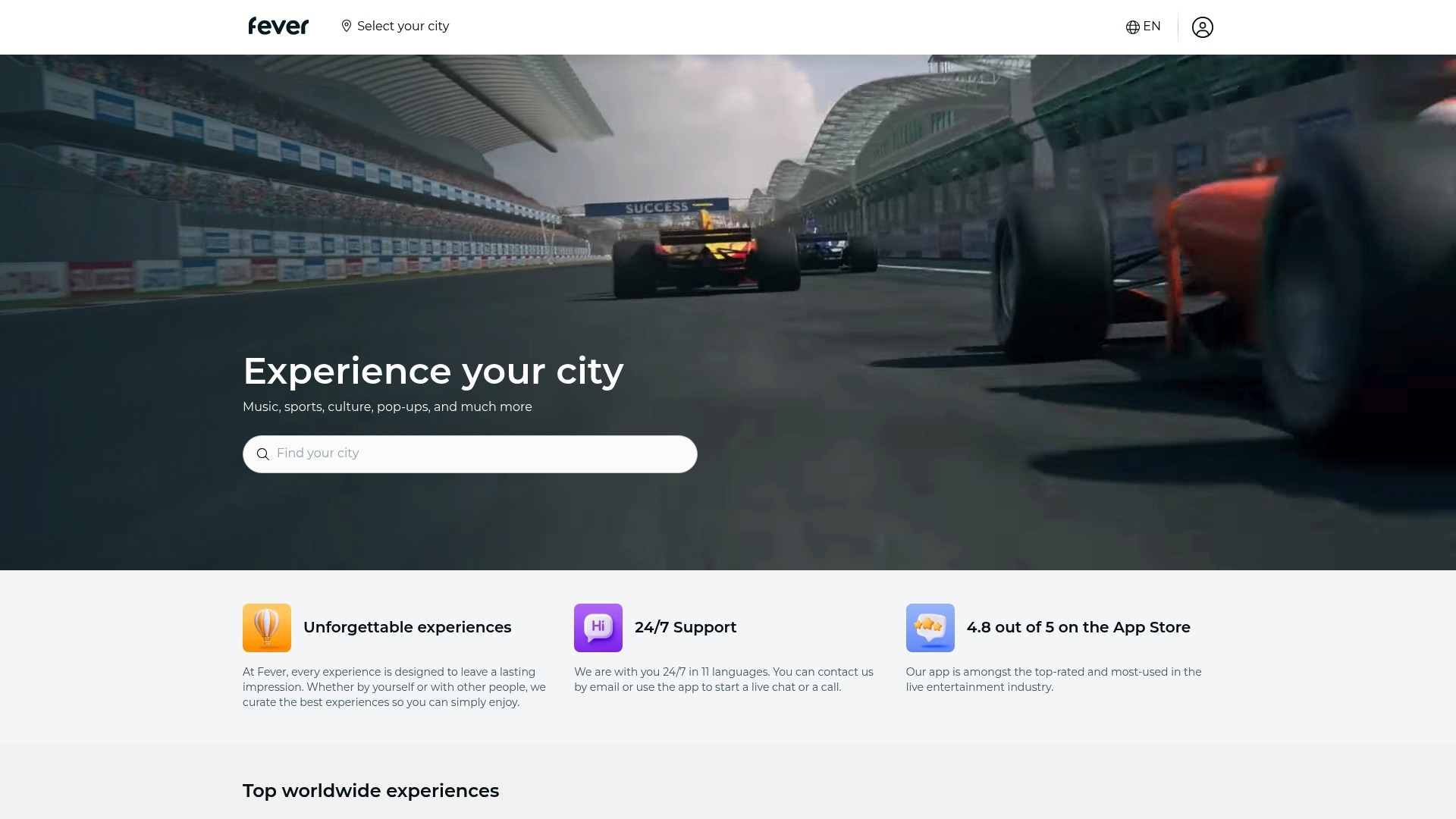
Fever is an experience-first ticketing platform that curates live entertainment, immersive shows, and local cultural activities across over 200 cities in 30 countries. Its mobile app is highly rated (4.8/5 on the App Store), and the platform backs users with 24/7 multilingual support by email, chat, and phone. For marketing directors at small to mid-size venues, Fever is a strong channel to reach discovery-driven consumers and to surface exclusive promotions through the app. It’s best suited for venues focused on entertainment and cultural programming rather than broad service offerings.
Core Features
Fever’s core capability is discovery: a curated catalog of concerts, festivals, immersive experiences, and attractions tailored to major-city audiences. The platform centers on a high-rated mobile app that presents events visually and offers Fever Club benefits and exclusive promotions. Operationally, Fever supports customers around the clock in multiple languages and maintains a global footprint so events can be marketed to international visitors and local explorers alike.
Pros
Wide selection of experiences: Fever lists a large variety of entertainment and cultural events across many cities, giving venues access to diverse audiences.
Strong mobile experience: The Fever app has a 4.8/5 App Store rating, which indicates a polished, user-friendly booking flow that favors mobile-first buyers.
Global reach: With presence in over 200 cities and 30 countries, Fever helps venues attract both local attendees and international travelers.
24/7 multilingual support: Customers can get help via email, chat, or call around the clock, reducing friction for international ticket buyers.
Promotions and loyalty features: Fever Club and app-only promotions make it easier to run limited-time campaigns that incentivize quick purchases.
Cons
Narrow focus on entertainment: Fever is mainly focused on entertainment and cultural experiences, so it is not a broad marketplace for services or non-entertainment products.
App-dependent experience: The full experience and many benefits are accessed through the mobile app, which may limit reach for audiences who prefer web booking.
Price transparency limits: The website provides limited information on specific ticket prices, so users often need to progress to purchase inside the app to see final costs.
Who It’s For
Fever is ideal for marketing directors at small to medium-sized venues who program concerts, immersive shows, festivals, or cultural events and who want to reach discovery-oriented audiences. If you prioritize mobile-first ticketing, targeted app promotions, and exposure to travelers and local explorers, Fever is a practical channel to add to your distribution mix.
Unique Value Proposition
Fever’s unique value lies in curated discoverability plus a polished mobile storefront-paired with global scale and loyalty mechanics so venues can showcase standout experiences to motivated buyers who value convenience and surprise.
Real World Use Case
A venue manager at a mid-size theater lists an immersive sound-and-light show on Fever and uses app-only promotions to sell late-release tickets, capturing last-minute tourists and local explorers who find the event through Fever’s curated recommendations.
Pricing
Pricing varies by experience and city; specific ticket costs and fees are revealed within the app or during the event purchase flow.
Website: https://feverup.com
Leap Event Technology
At a Glance
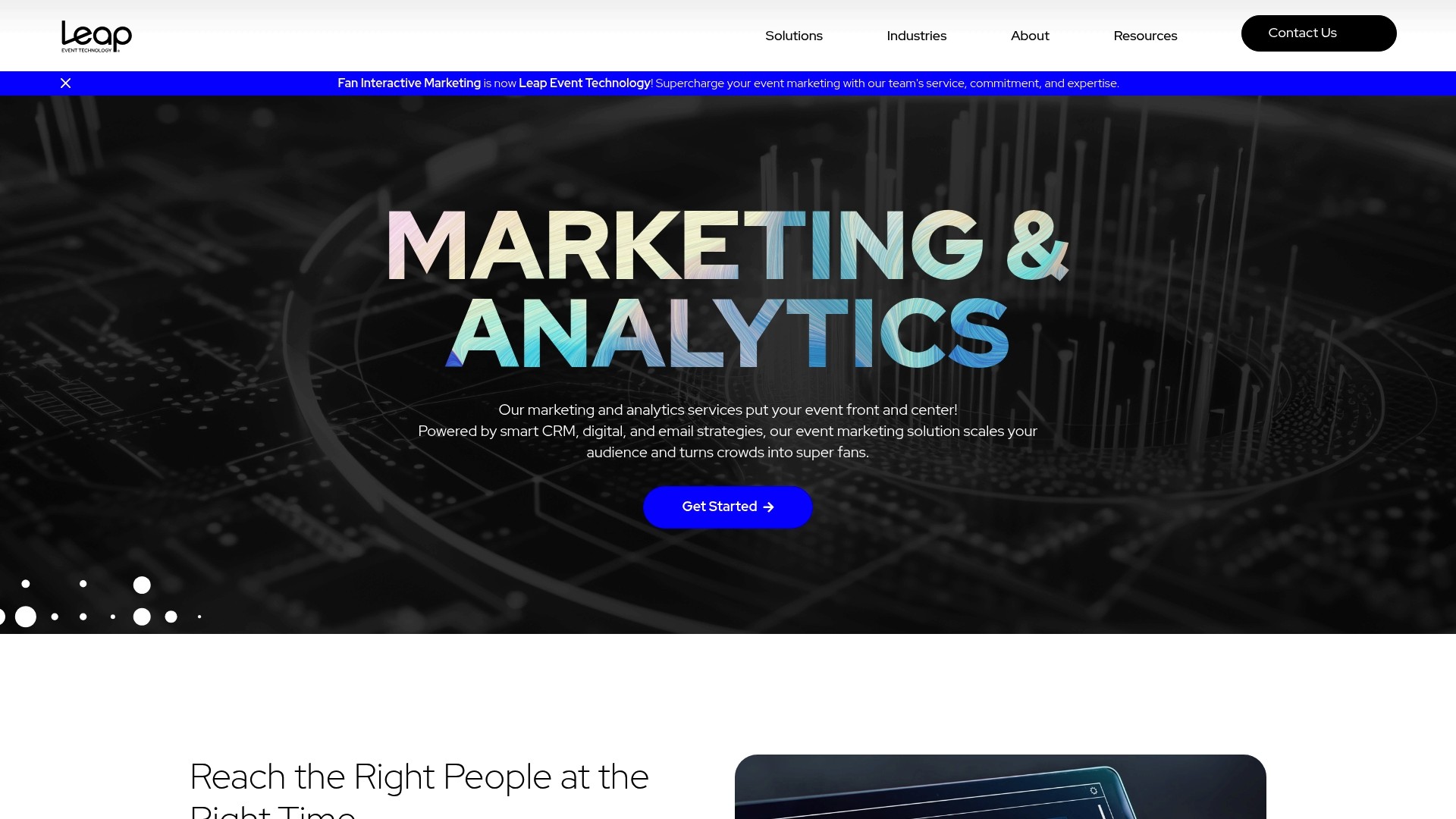
Leap Event Technology delivers a broad, integrated event tech stack that combines ticketing, mobile apps, patron management, and experiential activations with marketing and analytics services. For venues and event teams focused on scaling audiences and turning casual attendees into superfans, Leap presents a single partner approach instead of stitching together multiple vendors. The platform favors larger events or organizations that need an end-to-end solution and are willing to engage with a specialized provider.
Core Features
Leap’s core capabilities center on event ticketing and mobile-first attendee engagement, supported by patron management and onsite activations like photo ops and autograph experiences. On the marketing side, Leap offers CRM-driven campaigns, digital advertising support, and email marketing backed by analytics to optimize promotional spend. The result is a unified workflow: sell tickets, segment patrons, target ads, and measure outcomes from a single suite rather than juggling disconnected tools.
Short and clear.
Pros
Offers a full suite of event management and marketing solutions, which reduces vendor overhead and simplifies operational coordination.
Global presence with expertise across multiple industries allows Leap to adapt strategies learned from festivals, sports, and experiential events to your venue.
Integrates various tools into a unified platform for ease of management, helping teams avoid data silos and manual reconciliation.
Expertise in data-driven marketing helps maximize reach and attendee engagement through targeted campaigns and CRM segmentation.
The rebrand from Fan Interactive signals an expanded service suite and a strategic commitment to broader event technology offerings.
Cons
The website lacks detailed pricing information, which means you will likely need to contact Leap directly to get accurate cost estimates.
As a specialized service provider, Leap may be better suited for larger events or organizations, so smaller venues should confirm fit before committing.
There are limited publicly available user reviews or case studies, making it harder to independently verify performance claims and typical ROI.
Who It’s For
Leap is tailored for event organizers, marketing directors, and venue operators who run mid-size to large-scale events and want a single partner to handle ticketing, audience engagement, and promotion. If you manage festivals, touring shows, or high-attendance venues and need integrated CRM plus ad support, Leap aligns with your needs. Smaller venues should evaluate budget and scope before choosing Leap as their primary platform.
Unique Value Proposition
Leap’s unique value is its combination of ticketing and onsite engagement tools with hands-on marketing and analytics services-so you get both the technology and the campaign expertise. Instead of buying a ticketing system and outsourcing promotions, Leap bundles those functions to help teams move from awareness to conversion using shared data and coordinated tactics.
Real World Use Case
A music festival uses Leap’s ticketing system to handle presales and general admission, deploys mobile apps to deliver schedules and push notifications, and runs CRM-driven ad campaigns to retarget past attendees. The cohesive setup streamlines operations, increases ticket conversion, and improves onsite experiences through activations like photo ops and autograph sessions.
Pricing
Pricing is not explicitly provided on the website; Leap asks prospects to contact them for a custom quote based on event size and service scope. This model typically suits buyers who need tailored enterprise features rather than off-the-shelf pricing.
Website: https://audiencetools.io
Lyte
At a Glance
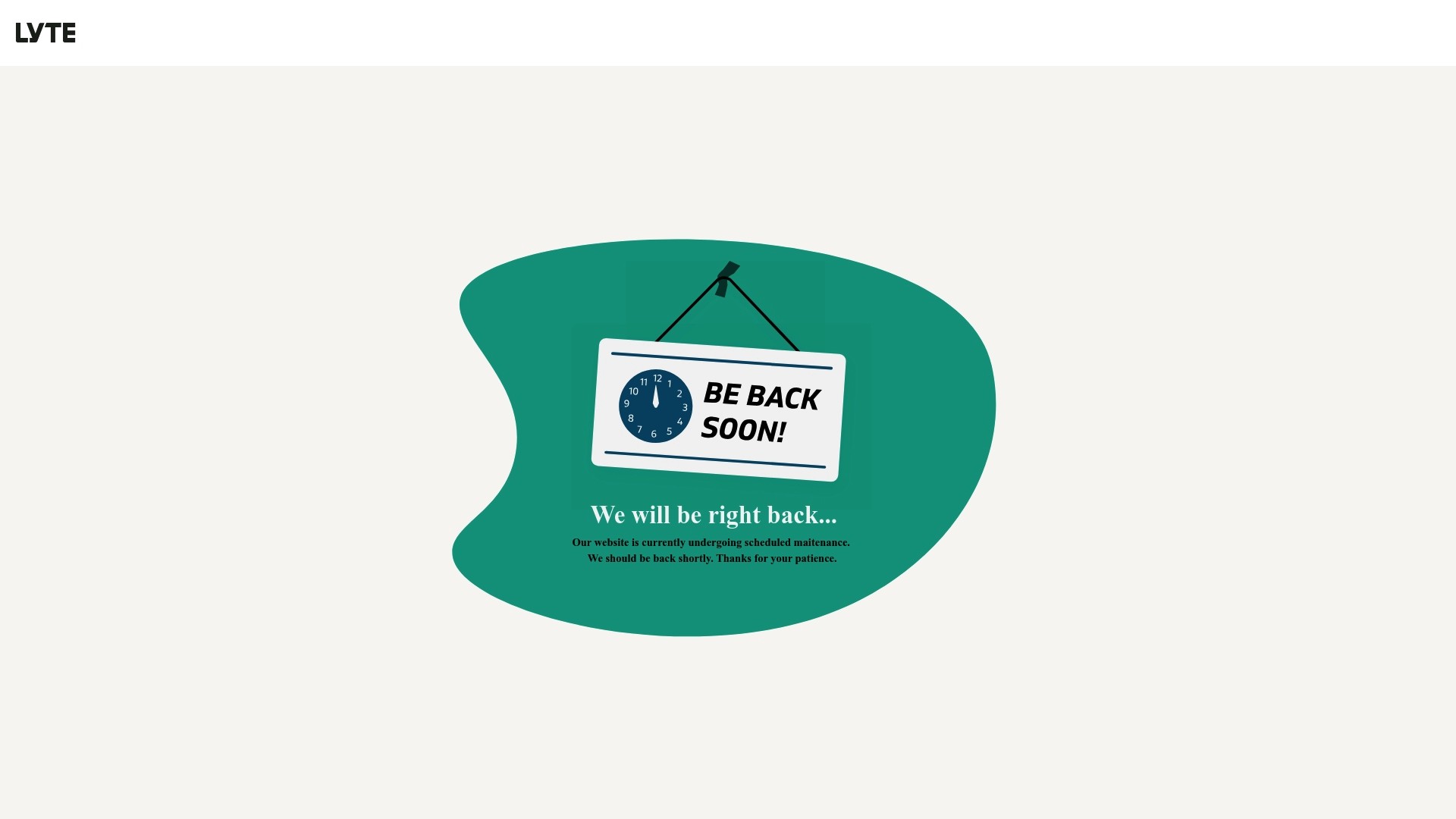
Lyte’s public presence is extremely minimal: the scraped homepage supplies no concrete product specifics, only brief prompts that invite further exploration. Bottom line — you can’t evaluate features, integrations, or outcomes from the available content alone. For a marketing director at a small-to-medium event venue, Lyte currently reads like a placeholder rather than a decision-ready vendor. Approach with curiosity, not commitment.
Core Features
The site provides zero detailed features in the scraped content; instead, it returns three generic pointers suggesting that additional information might exist on internal pages. That means there is no verifiable list of campaign tools, analytics capabilities, ad integrations, ticketing flows, or audience segments to assess. If you’re vetting platforms for performance marketing at events, expect to invest time contacting their team or digging deeper into the site to confirm whether Lyte supports the real-world capabilities you need.
Not ideal. But not uncommon.
Pros
Simplicity implied by the site design: The minimal, concise homepage suggests a focus on simplicity, which could translate into a lightweight user experience for busy event teams.
Clear invitation to explore: The site’s brief messaging makes it obvious where to look next, which may speed up discovery for motivated buyers.
Low cognitive load for first impressions: With limited content, a visitor can quickly decide whether to reach out or move on without wading through long technical copy.
Potential for streamlined onboarding: The sparse presentation hints that onboarding and documentation might be straightforward, saving time for small marketing teams.
Opportunity for direct sales conversations: When product detail is limited, your best path is a 1:1 conversation—useful if you prefer tailored demos over canned feature lists.
Cons
Insufficient public product detail: The homepage does not provide the feature-level information required to assess fit for event marketing strategies.
No pricing disclosure: There is no pricing information in the provided content, which makes budgeting and vendor comparison difficult.
Unclear use cases: The site offers no concrete examples or case studies showing how Lyte performs for ticketed events or attendee acquisition.
Risk of wasted evaluation time: Without clear specs, teams may spend hours exploring the site only to discover it lacks necessary capabilities.
Who It’s For
Given the lack of detail, Lyte currently appears best suited for decision-makers who value direct conversation and custom demos over self-serve research. If you prefer to test platforms through a guided walkthrough or you want a boutique vendor that crafts solutions case-by-case, this might fit. If you need quick, transparent specs to compare platforms side-by-side, look elsewhere first.
Unique Value Proposition
From available content, Lyte’s unique value proposition seems to be its minimal, invitation-driven approach: the company nudges visitors to explore further rather than overwhelming them with technical claims. That could indicate a tailored, consultative sales process focused on real client needs instead of one-size-fits-all messaging.
Real World Use Case
No verifiable real-world use case is available in the provided content. To determine whether Lyte can drive ticket sales, manage audience segments, or optimize ad spend for events, you’ll need to request case studies, client references, or a product demo.
Pricing
Pricing is not disclosed in the scraped content, so you will need to contact Lyte for quotes or plan details.
Website: https://lyte.com
Event Marketing Tools Comparison
Below is a comprehensive table comparing several event marketing tools mentioned in the article, summarizing their key features, usage, and considerations.
Tool | Key Features | Suitable For | Unique Value Proposition | Pricing Details |
AT Digi Agency | Strategic, results-driven ad campaigns; expertise in Google, Meta, and TikTok platforms; personalized strategy sessions | Marketing directors at small to medium event venues are aiming for measurable results in ticket sales | Boutique service with customized planning, creative expertise, and data-driven approaches | Custom pricing based on tailored packages |
Eventbrite | Ticketing, promotional and attendee-management tools, AI-assisted event creation, marketplace discoverability | Event organizers wanting streamlined event setup and enhanced discoverability | Integrated marketplace and event tools simplifying marketing and operational needs | Free for event publishing; Fees on paid tickets (3.7%+1.79 USD per ticket + payment processing fees) |
Fever | Curated entertainment events platform; multilingual 24/7 customer support via app and chat; global reach | Entertainment and cultural venues focusing on visually immersive, discovery-driven programming | Broad selection of cultural experiences with a strong mobile platform | Varies per event; revealed during purchase |
Leap Event Technology | Comprehensive event-focused technology stack; CRM-driven campaigns; unified platform for analytics and engagement | Mid-size to large-scale event operators seeking an integrated solution for ticketing and marketing | Point-of-sale and engagement solutions with deep data analytics | Custom pricing based on service requirements |
Lyte | Placeholder for ticketing services; minimalist introduction without specific offerings | Decision-makers exploring bespoke ticketing-through-conversation options | Invitation-driven process for customized solutions | Contact for detailed pricing |
Unlock Predictable Ticket Sales with Expert Performance Marketing
Struggling to turn your event advertising into actual ticket sales and reliable attendance growth. You are not alone. Many event marketers face challenges managing paid campaigns across platforms like Google Ads and Meta while expecting measurable results. The article highlights the need for data-driven strategies, tailored creative testing, and transparent optimization to avoid wasted budgets and flimsy metrics. A&T Digital Agency specializes in exactly these pain points, delivering strategic planning combined with creative execution that puts revenue and conversion growth first. Our boutique team understands how to build, launch, and optimize paid advertising systems that outperform cookie-cutter solutions.
With personalized service designed for small to medium-sized venues and events, you gain a partner who moves fast and cares deeply about your success. Explore how our focused approach to paid media helps clients achieve consistent results and long-term ROI. Ready to transform your event marketing strategy into a high-impact revenue driver. Visit our landing page, see success stories, and learn why AT Digi Agency is the reliable choice for performance-first event campaigns.
Harness proven tactics and expert campaign management to scale your ticket sales today
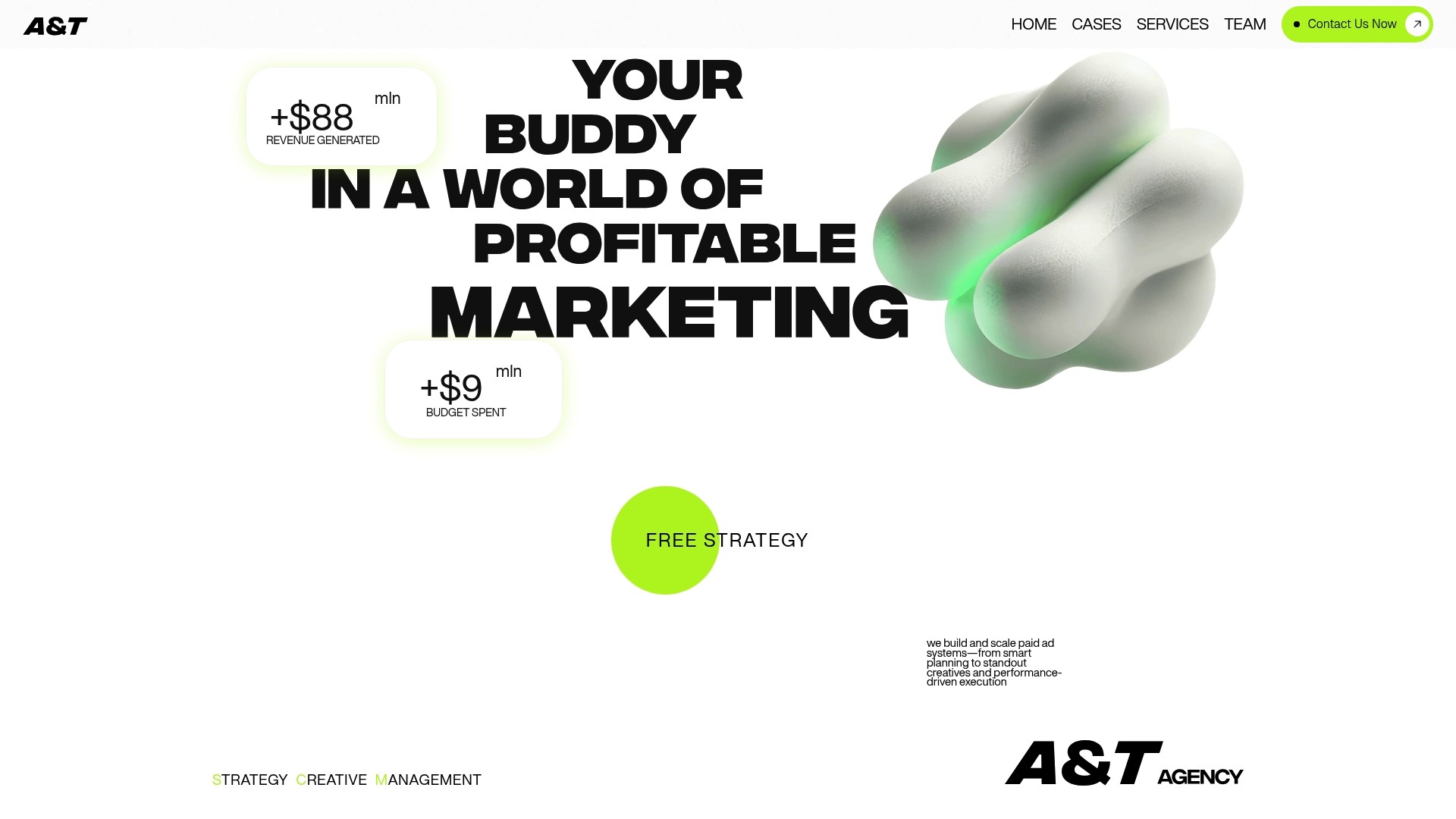
Don’t wait for your competitors to capture your audience. Use precise targeting and data-backed campaign optimization with A&T Digital Agency. Elevate your events with a partner who treats your ad spend like a revenue line item and delivers measurable outcomes. Book a consultation and start growing your audience now.
Frequently Asked Questions
What are the key features to look for in performance marketing platforms for events?
Focus on features that enhance ticket sales, audience engagement, and campaign optimization. Look for platforms that offer multi-channel advertising, real-time analytics, and customizable promotional tools to better target your audience.
How can I measure the success of my event marketing campaigns?
Utilize data analytics from your performance marketing platform to track key metrics such as ticket sales, conversion rates, and audience engagement. Set measurable goals and compare results before and after campaigns to identify improvements, ideally aiming to increase ticket sales by 20%.
What budgeting considerations should I keep in mind?
Consider both upfront costs and ongoing fees associated with each marketing platform. Evaluate which platforms offer the best return on investment by looking at their pricing structures and potential margins on ticket sales over time.
How do I choose the right platform for my specific event type?
Start by assessing your event’s target audience and the unique features your event needs, such as mobile ticketing or social media integration. Analyze how different platforms cater to these needs, ensuring they align with your marketing strategy.
Can I use multiple marketing platforms for a single event?
Yes, using multiple platforms can enhance your marketing reach. Diversify your approach by combining various platforms to target different audience segments, allowing you to maximize ticket sales through multiple channels.
How can data-driven insights improve my future event marketing efforts?
Leverage data-driven insights to refine your marketing strategy for future events. Analyze past campaign performance to identify what worked and what didn’t, enabling you to adjust targeting and messaging to improve engagement and ticket sales in subsequent events.